
The batch number is everything
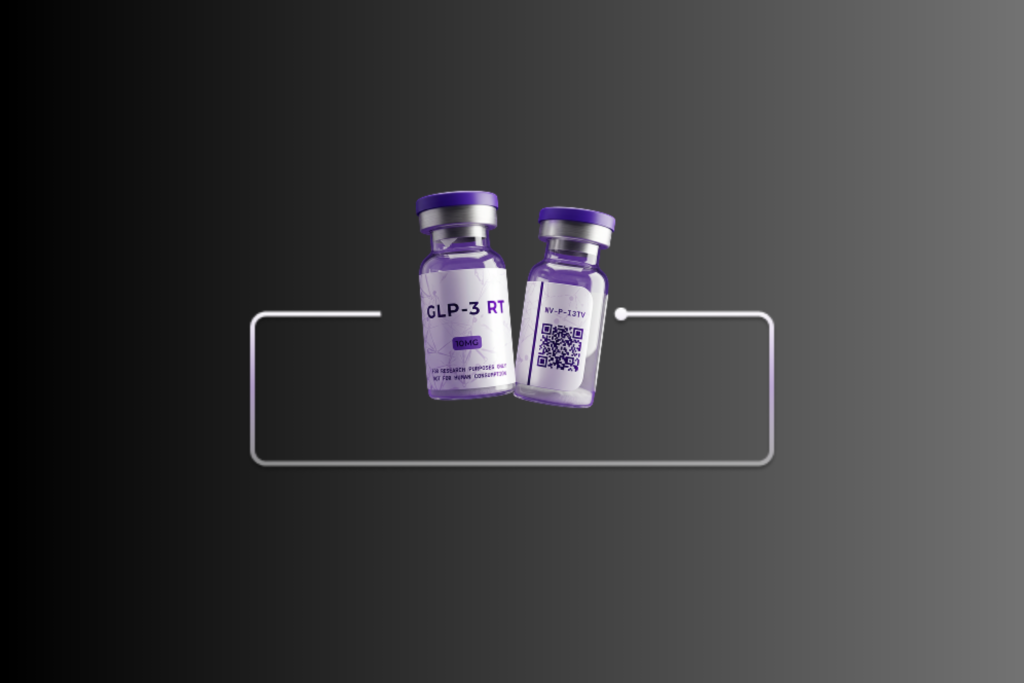
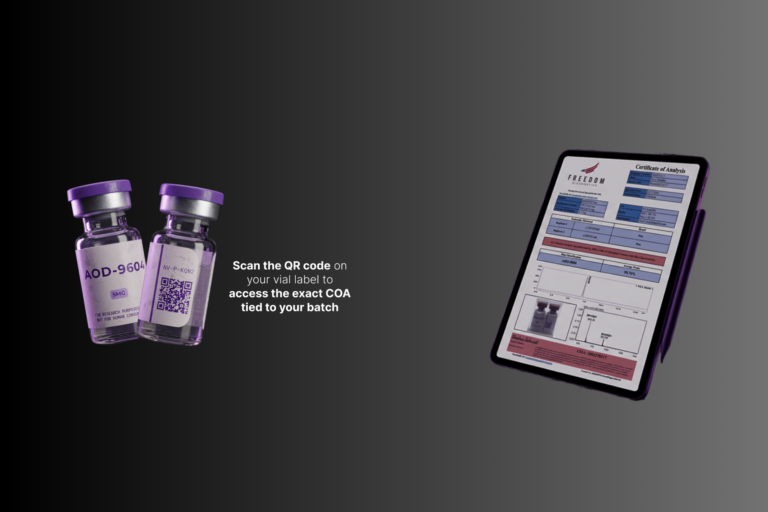
The single most consequential quality-control check a researcher can perform takes less than thirty seconds. Verify that the batch number on your vial matches the batch number on the COA. Most people skip it. They shouldn’t.
In pharmaceutical manufacturing, a batch is a specific quantity of a product made under a single manufacturing order during the same production cycle. Peptide synthesis works the same way. Each synthesis run is a discrete batch with its own starting materials, reaction conditions, coupling efficiencies, cleavage parameters, and HPLC purification profile.
Even when the same peptide sequence is synthesized back-to-back, differences between batches are expected, and often measurable.
Why Batch Numbers Matter
Solid-phase peptide synthesis (SPPS) is a sequential chemical process. Each amino acid coupling step has a yield, typically 95 to 99.5% per step. Across a 10-residue peptide, even a 99% coupling efficiency per step compounds to a theoretical yield of around 90% full-length peptide.
The impurity profile, meaning which deletion sequences dominate and which protection groups did not fully cleave, varies with resin lot, reagent freshness, temperature control, and operator technique.
This means two batches of the same peptide from the same supplier can carry different impurity fingerprints. Both might report ≥99% HPLC purity, but the specific impurities at the 1% level may differ.
For most research applications, this is irrelevant. For studies investigating specific receptor subtypes, where a structurally similar deletion sequence could act as an antagonist or partial agonist, it is not.
How to Verify Your Batch in Five Steps
- Locate the batch code on your vial label. It is typically a 6 to 10 character alphanumeric string printed below the compound name.
- Visit the Nova COA Library at novapeptideseurope.com/coas.
- Search by batch number. The library returns the matching certificate within seconds.
- Confirm that the product name and CAS number on the certificate match your vial.
- Download and archive the certificate. For any study submitted for peer review, cite the batch number and COA reference in the Materials and Methods section.
Batch Traceability in Practice
Traceability is the ability to follow the history, application, and location of an item through a documented chain of custody. For research compounds, that means being able to answer who synthesized this batch, when, using which raw materials, tested by which laboratory, on which date, and using which method.
A complete traceability chain lets you reproduce an experiment, not only in your own lab, but years later, in a different lab, by a different researcher.
Nova maintains full batch traceability records for a minimum of five years. If you need documentation for a research submission, regulatory filing, or internal audit, email cs@novapeptideseurope.com with the batch number and the type of documentation you need.
The Nova QA Chain of Custody
Every Nova batch follows a defined QA chain:
- Synthesis
- In-process purity check
- Final HPLC and MS testing by an independent lab
- COA issuance
- Inventory hold until the certificate passes internal review
- Release for shipment
The batch number is the key that links every step. It is not an arbitrary label. It is the thread that makes accountability possible.