
How to read a COA
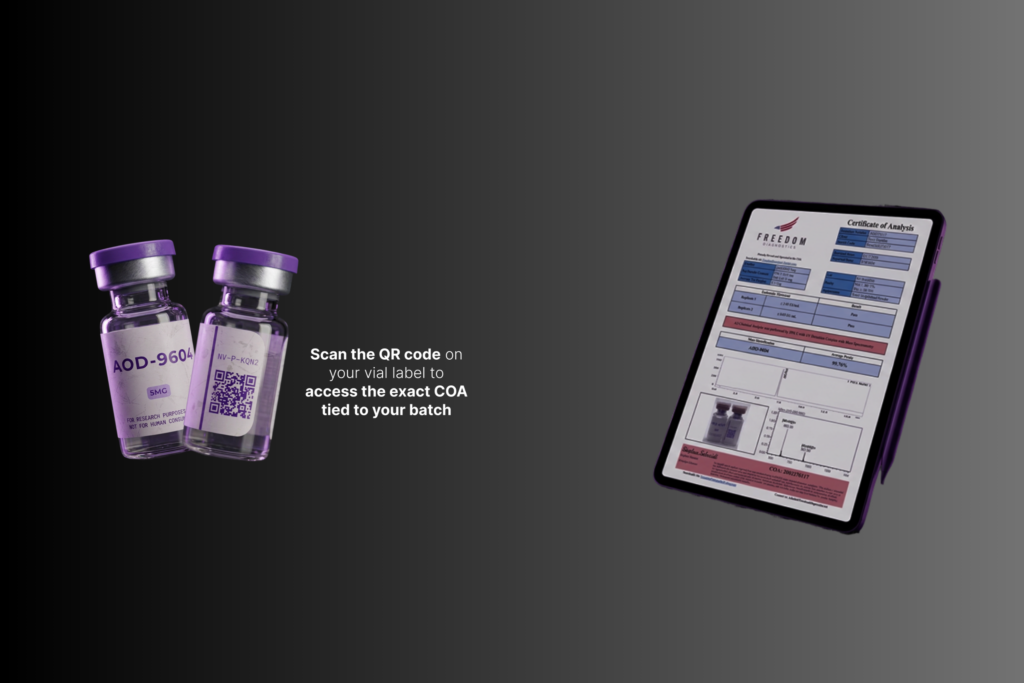
A Certificate of Analysis is the most important document in research supply. Most researchers have never been shown how to read one. This guide fixes that.
The COA tells you whether what is in your vial matches what is on the label. It is issued by an independent, accredited laboratory, not by the supplier. A COA from a reputable lab carries legal weight, because the lab stakes its accreditation on every result it signs.
The Six Core Fields Every COA Must Have
A well-structured COA contains six core fields. If any are missing, treat it as a red flag and ask the supplier for clarification before using the material.
- Product name. Confirm to match your order confirmation exactly.
- Batch number. Cross-reference this against the batch code on your vial. This is the most important check.
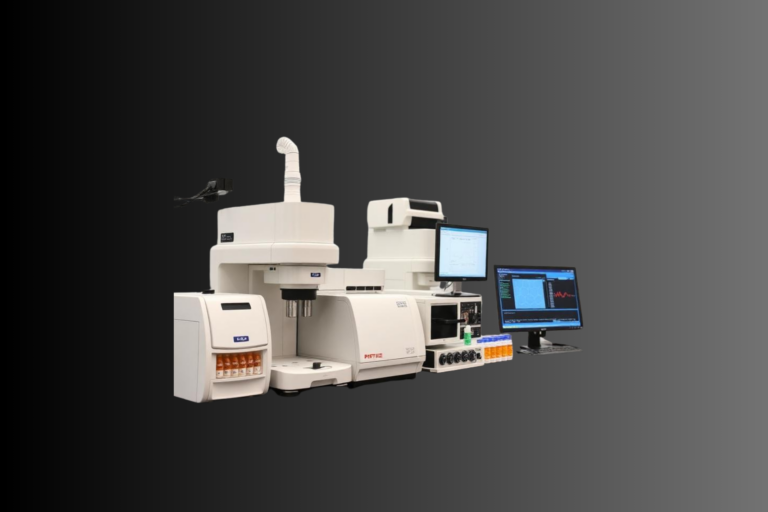
- Purity (HPLC). High-Performance Liquid Chromatography separates the target compound from impurities. Nova products are ≥99% by HPLC. Anything below 95% should raise a flag.
- Identity confirmation (MS). Mass Spectrometry confirms the molecular weight matches the target compound. HPLC alone cannot confirm identity, it only measures relative proportion.
- Issuing laboratory name and accreditation number. The lab should be independently verifiable. ISO 17025 is the gold standard.
- Test date. COAs older than 6 months should prompt a re-test request, especially for peptides stored outside optimal conditions.
The Batch Number Check. Never Skip It.
The single biggest mistake researchers make when reviewing a COA is failing to verify that the batch number on the certificate matches the batch code on their vial. A COA from a different batch tells you nothing about the vial in your hand, even if it was tested the day before.
Batch-to-batch variation in peptide synthesis is real. Yield, purity, and minor impurity profiles shift with every production run.
A COA from a different batch is not your COA. Always verify the batch number first.
What the HPLC Chromatogram Actually Shows
Most COAs include a chromatogram image alongside the purity percentage. The chromatogram is the graphical output of the HPLC run. The x-axis shows time in minutes of elution. The y-axis shows UV absorbance.
A single dominant peak with minimal satellite peaks signals high purity. Multiple significant peaks, or a broad main peak with a shoulder, suggest impurities worth investigating.
You do not need to be an analytical chemist to read a chromatogram at a basic level. If the main peak is tall and narrow and accounts for ≥99% of the integrated area, the compound passed. If you see other peaks accounting for more than 1-2% of the total area, ask the supplier which impurities those represent.
How to Access Nova’s COA Library
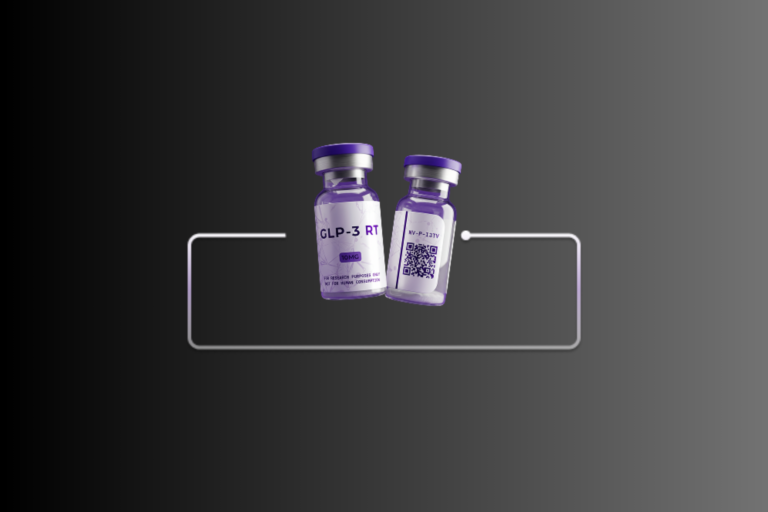
Every certificate in the Nova COA library is searchable by batch number. Every Nova vial also carries a QR code that takes you to the matching certificate instantly.
Scan it. Search it. You have the exact document your material was tested against.